Samsung Tri Fold Phone Price Factors Explored
Are you curious about how much a Samsung tri-fold phone might cost? Maybe you’ve seen one in action and wondered about the technology packed inside. It’s easy to get lost in the features and forget about the practicalities, especially when considering a device that’s more than just a smartphone.
This guide will break down the key elements that influence the samsung tri fold phone price. You’ll gain a clear understanding of what drives the cost and what to expect, helping you make an informed decision without feeling overwhelmed.
Key Takeaways
- The innovative foldable display significantly impacts the price.
- Advanced internal components contribute to the overall cost.
- Build quality and durability features are factored into the price.
- Software optimizations for the foldable screen add to production expenses.
- Market demand and release timing play a role in pricing.
- After-sales support and warranty services are part of the total cost.
Understanding Samsung Tri Fold Phone Price
The cost of a Samsung tri-fold phone is a significant consideration for many interested buyers. These devices represent the cutting edge of mobile technology, blending the portability of a smartphone with the expansive screen real estate of a tablet. This dual functionality comes at a premium.
Several factors contribute to the high samsung tri fold phone price, from the intricate engineering of the foldable display to the powerful processors and advanced camera systems that are standard in flagship devices. Understanding these components helps demystify why these phones are priced as they are.
The core of what makes these phones unique is their ability to fold. This isn’t just a simple hinge; it involves a flexible display panel that must withstand thousands of folds without showing wear. This advanced screen technology is one of the primary drivers of the samsung tri fold phone price.
It requires specialized manufacturing processes and materials that are more expensive than those used for traditional flat smartphone screens. The durability and seamlessness of this folding mechanism are paramount to the user experience and, consequently, the product’s value.
Beyond the screen, these devices are packed with high-end components to ensure performance matches the innovative form factor. This includes the latest mobile processors, ample RAM, and high-capacity storage. These cutting-edge internals are essential for running multiple applications smoothly, especially when switching between folded and unfolded states.
When you’re looking at the samsung tri fold phone price, remember that you’re paying for top-tier processing power and memory that rivals dedicated tablets and laptops.
The overall build quality and design also contribute significantly. Samsung invests heavily in premium materials like durable aluminum frames and toughened glass. The intricate hinge mechanism itself is a marvel of engineering, designed for longevity and a satisfying user experience.
This attention to detail in construction ensures that the device feels solid and premium in hand, adding to the perceived value and, therefore, the samsung tri fold phone price.
The Foldable Display Technology
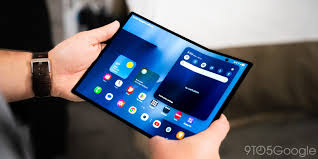
The most revolutionary aspect of a tri-fold phone is its foldable display. This technology allows the device to transform its form factor, offering users different screen sizes for various tasks. Imagine reading an e-book on a larger, tablet-like screen and then folding it neatly into a pocket-sized smartphone.
This flexibility is achieved through a complex assembly of layers, including a plastic or composite screen substrate, a flexible polarizer, and a self-healing layer to mitigate minor scratches.
The development of these flexible displays involves overcoming significant engineering challenges. One of the primary hurdles has been ensuring the display can be folded and unfolded thousands of times without creasing or becoming damaged. Companies like Samsung have developed proprietary hinge mechanisms and screen materials to address this.
The continuous innovation in this area, aiming for greater durability and a less visible crease, contributes to the ongoing research and development costs, which are reflected in the samsung tri fold phone price.
The manufacturing process for these foldable screens is also much more intricate and costly than for standard rigid displays. It requires specialized cleanroom environments, precision machinery, and highly skilled labor. Because the yield rates for these complex components can be lower, the per-unit cost of production is naturally higher.
This is a fundamental reason why foldable phones command a premium price in the market.
- Ultra Thin Glass (UTG): This is a key material used in Samsung’s foldable displays. Unlike traditional glass, UTG is thin and flexible, allowing it to bend without shattering. It’s layered over the flexible plastic display to provide a more premium feel and better scratch resistance than plastic alone. The development and implementation of UTG are significant investments.
- Hinge Mechanism: The hinge is another critical piece of engineering. It needs to be robust enough to support the folding action for tens of thousands of cycles while also being sleek and unobtrusive. The design of the hinge influences how the phone folds, the size of the crease, and the overall durability. Complex hinges with multiple gears and springs add to the manufacturing complexity.
- Crease Reduction Technology: Minimizing the visible crease that appears where the screen folds is a major focus for manufacturers. Innovations in display layering and hinge design aim to reduce the impact of this crease. Ongoing research to make the crease less noticeable is part of the technology development that impacts the samsung tri fold phone price.
- Durability Testing: Foldable phones undergo rigorous testing to ensure they can withstand repeated folding and unfolding. This includes mechanical stress tests, environmental tests, and drop tests. The assurance of durability adds to the development costs and is reflected in the final price consumers pay.
Internal Components and Performance
When you consider the samsung tri fold phone price, it’s important to recognize that these devices are not just about the folding screen; they are also packed with the latest and greatest internal components. To ensure a seamless and powerful user experience, manufacturers equip these phones with top-of-the-line processors, ample RAM, and advanced internal storage. This allows for smooth multitasking, fast app loading, and the ability to handle demanding applications and games.
The processors used in foldable phones are typically the flagship chips from industry leaders like Qualcomm or Samsung’s own Exynos line. These chips are designed for high performance and efficiency, enabling the phone to handle complex tasks without lag, whether it’s unfolded for productivity or folded for casual use. The integration of these powerful processors is a significant cost factor, as they are the most expensive single components in any high-end smartphone.
RAM is another crucial element. Foldable phones often come with substantial amounts of RAM, such as 12GB or even 16GB. This allows the device to keep multiple applications open in the background and switch between them quickly without having to reload.
This is particularly important for a device that can function as both a phone and a mini-tablet, often used for multitasking. The more RAM a device has, the higher its cost.
Storage capacity also plays a role. While base models might offer 256GB, higher configurations can go up to 512GB or even 1TB. The cost of flash storage has come down over the years, but high-capacity, fast storage solutions still add a significant sum to the overall samsung tri fold phone price.
This ensures users have ample space for apps, photos, videos, and other data, supporting the versatile use cases of a foldable device.
- Latest Chipsets: Manufacturers equip foldable phones with the newest mobile processors. These chips offer significant improvements in speed, power efficiency, and AI capabilities. For example, a device might feature the Snapdragon 8 Gen 3 or a comparable Exynos chip. These processors are engineered for peak performance, making them costly components.
- Ample RAM: Generous amounts of RAM are crucial for multitasking on a foldable device. With 12GB or 16GB of RAM, users can smoothly switch between apps, run split-screen applications, and enjoy a fluid user experience. The cost of high-speed RAM modules contributes to the overall price.
- High-Speed Storage: Fast internal storage, typically UFS 4.0, ensures quick app installations, rapid file transfers, and faster boot times. Larger storage capacities, such as 512GB or 1TB, are available on premium models. The price of these storage solutions is directly proportional to their capacity and speed.
- Advanced Cooling Systems: To maintain peak performance and prevent throttling, foldable phones often incorporate sophisticated cooling systems. These might include vapor chambers or graphite sheets to dissipate heat effectively. The engineering and materials used in these systems add to the production cost.
Build Quality and Durability
The physical construction of a tri-fold phone is a major factor influencing its samsung tri fold phone price. These devices are designed to be premium products, and that extends to the materials and engineering used in their creation. The goal is to create a device that feels luxurious, is durable enough for everyday use, and can withstand the unique stresses of being folded and unfolded repeatedly.
Samsung utilizes high-quality materials such as aerospace-grade aluminum for the frame and sophisticated glass for the exterior panels. This not only provides a premium feel but also enhances the phone’s structural integrity. The hinge, often made from a combination of metals and complex moving parts, is a particularly expensive component to design and manufacture.
It needs to be precise, strong, and smooth.
The durability of the foldable display itself is also a key consideration. While advancements have been made, foldable screens are inherently more prone to damage than traditional smartphone screens. Manufacturers invest heavily in protective coatings and reinforcement technologies to mitigate this.
The ongoing research and development to improve scratch resistance and overall screen longevity are reflected in the final cost. Consumers expect a device at this price point to be resilient, and the engineering to achieve that is costly.
- Premium Materials: Frames are often made from strong, lightweight aluminum alloys, similar to those used in aircraft. The exterior glass, while often specially treated for flexibility, is still a premium material. These materials are chosen for their durability, aesthetics, and cost.
- Sophisticated Hinge Design: The hinge is the heart of a foldable phone. It’s engineered with precision to allow for a smooth folding action and to hold the screen at various angles. Designs can include multiple gears, levers, and brushes to protect the interior components from dust and debris. The complexity of the hinge adds significantly to the manufacturing cost.
- Water and Dust Resistance: While challenging for foldable phones, manufacturers are increasingly incorporating water and dust resistance ratings, such as IPX8 for water resistance. Achieving these ratings requires meticulous sealing of all internal components and the hinge mechanism, which adds engineering complexity and cost.
- Screen Protection Layers: The foldable display is covered by protective layers that are designed to be more flexible than traditional glass. These layers are crucial for preventing screen damage during folding and unfolding. The development and application of these specialized protective films contribute to the overall production expense.
Software Optimization for Foldable Displays
The unique form factor of a tri-fold phone necessitates significant software development to maximize its usability. This is not simply a matter of scaling up a standard smartphone interface; it requires dedicated engineering to create intuitive and efficient user experiences across different screen configurations. This software optimization is a critical, often overlooked, component that contributes to the samsung tri fold phone price.
When the phone is unfolded, it can transform into a more tablet-like experience. This means apps need to adapt their layouts to take advantage of the larger screen real estate. For instance, email clients might show a list of messages on one side and the content of the selected email on the other.
Similarly, productivity apps can offer more comprehensive toolbars and menus. Developing these adaptive interfaces requires skilled software engineers and extensive testing.
Furthermore, the transition between folded and unfolded states needs to be seamless. Imagine starting a video call on the large screen and then folding the phone to continue the call on the smaller outer display. This continuity is achieved through intelligent software that manages app states and display outputs.
The ability for apps to gracefully switch between modes, often without interruption, is a testament to the software’s sophistication.
Samsung also develops proprietary software features specifically for their foldable devices. This can include enhanced multitasking capabilities, such as the ability to run multiple apps in split-screen mode with ease, or specialized camera features that utilize the folding mechanism. These unique software additions enhance the user’s experience and add value to the device, contributing to the overall samsung tri fold phone price.
- App Continuity: This feature ensures that an app running on the main display continues seamlessly when you fold the phone, or vice versa. For example, if you are browsing a website on the large screen and fold it, the website should continue to be viewable on the smaller cover screen without restarting.
- Multi-Window Support: The larger screen of a foldable phone is ideal for running multiple apps side-by-side. Samsung’s software allows for easy configuration of split-screen or pop-up windows, enabling efficient multitasking. This includes the ability to drag and drop content between apps.
- Optimized User Interface: The entire user interface is designed to adapt to the screen size. Icons, menus, and system elements are scaled and repositioned to provide the best usability whether the phone is open or closed. This requires extensive UI/UX design and development.
- Flex Mode Features: When the phone is partially folded, it enters “Flex Mode.” Samsung develops specific features that utilize this mode, such as a split keyboard for typing or camera controls that are displayed on one half of the screen while the viewfinder is on the other. This creative use of the form factor is enabled by software.
Market Demand and Release Timing
The price of any consumer electronic product, including a Samsung tri-fold phone, is heavily influenced by market dynamics. When a new foldable phone is released, especially one with innovative features, demand is often very high. This initial high demand, coupled with limited initial production capacity, can drive prices up.
Manufacturers gauge market interest and adjust production accordingly.
The timing of a product’s release also plays a role. If a tri-fold phone is launched during a period of high consumer spending or when there’s a general appetite for new technology, the samsung tri fold phone price might be set at a premium. Conversely, if a device is released in a more competitive market or during a slower economic period, pricing strategies might be adjusted to encourage adoption.
Furthermore, the perceived value and innovation of a new foldable phone influence how much consumers are willing to pay. A device that offers significant improvements over its predecessors or introduces entirely new functionalities will likely command a higher price. This reflects the research and development investment made by the company to bring that innovation to market.
The competitive landscape also plays a part. As more manufacturers enter the foldable phone market, competition can lead to price adjustments over time. However, for cutting-edge devices like Samsung’s tri-fold models, the initial pricing is often set to reflect the pioneering technology and the premium nature of the product.
This allows the company to recoup its substantial investment in research, development, and manufacturing.
- Early Adopter Premium: When a new technology like a tri-fold phone is first introduced, early adopters are often willing to pay a premium for the latest innovation. This allows manufacturers to recoup the substantial research and development costs associated with creating such devices.
- Supply Chain Constraints: The complex manufacturing process for foldable displays and intricate hinge mechanisms can lead to initial supply chain constraints. Limited availability when demand is high naturally drives up the price.
- Brand Perception and Value: Samsung has established itself as a leader in foldable technology. This brand recognition and the perceived value of owning a Samsung foldable device contribute to the pricing strategy. Consumers often associate Samsung’s foldable phones with premium quality and cutting-edge features.
- Product Lifecycle Pricing: As newer models are released, older generations of foldable phones often see price reductions. This is a standard practice in the tech industry, allowing consumers to purchase previous iterations at a more accessible samsung tri fold phone price.
After-Sales Support and Warranty
The total cost of ownership for a device like a Samsung tri-fold phone extends beyond the initial purchase price. After-sales support and the warranty provided are integral components that contribute to the perceived value and, indirectly, the overall samsung tri fold phone price. These services offer peace of mind and demonstrate a manufacturer’s commitment to their product and customers.
Given the advanced and complex nature of foldable phones, comprehensive warranty coverage is essential. A typical warranty for these devices covers manufacturing defects and hardware failures that are not caused by accidental damage. The length of this warranty, often one or two years, is a significant factor in consumer confidence.
Manufacturers must account for the potential costs associated with repairs and
Samsung often offers specialized support for its foldable devices. This might include dedicated customer service channels, expedited repair services, or even options for screen
Extended warranty options or protection plans are also frequently offered. These plans provide coverage beyond the standard warranty, often including accidental damage protection, which can be particularly valuable for a device with a foldable screen. The cost of these additional services, while optional for the consumer, reflects the ongoing support infrastructure that Samsung provides for its premium foldable offerings, ultimately impacting the overall samsung tri fold phone price considerations.
- Standard Warranty Coverage: Most Samsung tri-fold phones come with a manufacturer’s warranty that typically covers defects in materials and workmanship for a specified period, usually 12 or 24 months. This warranty protects against issues that arise from the manufacturing process itself.
- Accidental Damage Protection: Given the nature of foldable screens, accidental damage protection is highly sought after. Samsung often offers programs that provide coverage for accidental drops, spills, or screen damage, though these usually come with a deductible or service fee.
- Dedicated Support Channels: For premium devices, manufacturers may offer dedicated customer support lines or online resources. This ensures that users can quickly get assistance from knowledgeable representatives who understand the intricacies of foldable technology.
- Screen Repair Services: The foldable screen is the most delicate and expensive component. Samsung provides official screen repair services, ensuring that only authorized parts and trained technicians are used, which helps maintain the device’s integrity after a repair. The cost of these specialized repair services is considered when setting the initial product price.
Common Myths Debunked
Myth 1: Foldable phones are significantly less durable than traditional smartphones.
While foldable phones are a newer technology and their durability is a major focus for improvement, they are not inherently fragile. Manufacturers like Samsung invest heavily in rigorous testing and use advanced materials to ensure their foldable devices can withstand daily use. The hinge mechanisms are tested for hundreds of thousands of folds, and the screen technology is designed to be resilient, often incorporating ultra-thin glass and protective coatings.
While care is still recommended, they are built to be robust for everyday users.
Myth 2: The crease in the foldable screen is a major problem that ruins the viewing experience.
The crease is a characteristic of current foldable screen technology, but its impact on the viewing experience is often exaggerated. While it may be visible in certain lighting conditions or when viewed at sharp angles, it is generally not noticeable during normal use, such as watching videos, browsing the web, or playing games. Manufacturers are continuously working to minimize its visibility through improved hinge designs and screen layering.
Myth 3: Foldable phones are only for tech enthusiasts and early adopters.
While foldable phones were initially adopted by tech enthusiasts, they are becoming increasingly accessible and practical for a broader audience. The enhanced multitasking capabilities, the ability to switch between a phone and a tablet form factor, and improved software optimizations make them highly versatile for productivity, entertainment, and communication. As the technology matures and prices become more competitive, they appeal to a wider range of users.
Myth 4: The samsung tri fold phone price is inflated solely because of the novelty factor.
While novelty plays a role in the initial appeal and pricing of any new technology, the samsung tri fold phone price is primarily driven by the significant research, development, and manufacturing costs. The advanced foldable display technology, intricate hinge mechanisms, high-end internal components, and extensive software optimization all contribute to a higher production cost compared to traditional smartphones. These are genuine engineering and technological advancements that justify the premium pricing.
Frequently Asked Questions
Question: What is the main reason for the high samsung tri fold phone price
Answer: The primary reason for the high samsung tri fold phone price is the cutting-edge foldable display technology, which is complex and expensive to manufacture, along with the advanced internal components and sophisticated hinge engineering.
Question: Are foldable phone screens prone to cracking
Answer: While foldable screens are made of flexible materials, they are designed for durability. However, like any screen, they can be damaged by sharp impacts or excessive pressure. Manufacturers implement protective layers and rigorous testing to minimize cracking risks during normal use.
Question: Can I use regular screen protectors on a foldable phone
Answer: No, regular screen protectors are not suitable for foldable phones. They require specialized, flexible protectors designed to bend with the screen without causing damage or peeling. Samsung often provides specific protectors with their devices.
Question: How does the samsung tri fold phone price compare to flagship traditional smartphones
Answer: The samsung tri fold phone price is typically higher than that of flagship traditional smartphones due to the added cost of the foldable display, hinge mechanism, and the specialized engineering required for these innovative devices.
Question: Will the samsung tri fold phone price decrease over time
Answer: Generally, as technology matures and newer models are released, the price of previous generations of foldable phones tends to decrease. However, the initial launch price reflects the significant investment in bringing this advanced technology to market.
Conclusion
The samsung tri fold phone price reflects the advanced technology and premium engineering involved. You are paying for the innovative foldable display, high-performance components, and sophisticated build quality. These factors combined make the device a significant investment, but one that offers unique functionality and a glimpse into the future of mobile technology.

Related Posts

Light Phone 3 Price Explained Clearly
iPhone Price In India Explained Simply